
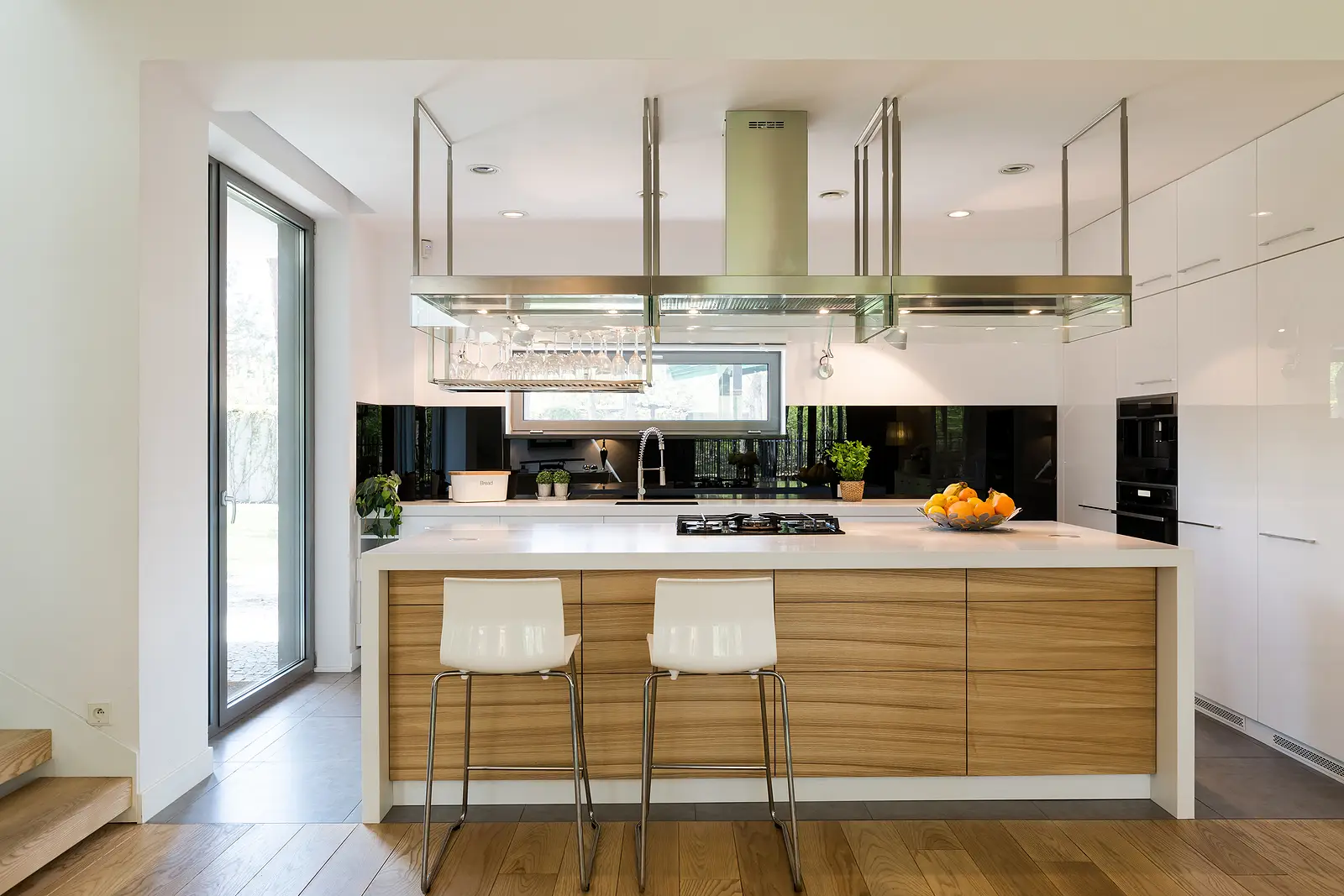
Daily routines reveal more about rental success than listing photos ever could, and insights from tenant-focused marketing strategies show how layout decisions influence tenant interest before applications are even submitted. A home might photograph beautifully yet feel awkward once renters imagine cooking, working, or relaxing inside it. Floor plans that support real movement and comfort tend to stand out immediately.
For residential investors in Dallas, TX, layouts influence how tenants interact with the space long after move-in. From privacy and flexibility to storage and sound control, properties with practical designs often maintain steadier occupancy and fewer complaints than those relying only on surface upgrades.
Key Takeaways
- Practical floor plans help Dallas rentals convert showings into applications faster.
- Bedroom placement and privacy influence long-term tenant comfort.
- Flexible spaces support modern living and remote work habits.
- Kitchen, laundry, and storage layouts shape daily satisfaction.
- Family- and pet-aware designs help stabilize occupancy.
Open Living Areas That Feel Balanced
Open living spaces remain popular across Dallas, though renters increasingly expect them to feel organized rather than oversized. Connection matters, but so does control.
National housing trends reflect this balance. According to the National Association of Home Builders, 54% of new homes now feature open kitchen and dining layouts, showing continued demand for shared living zones.
Flow that supports daily habits
Successful open layouts guide movement naturally. Tenants notice when furniture placement feels intuitive and when walking paths don’t interrupt eating, lounging, or work areas.
Light distribution and comfort
Strategically open designs allow natural light to travel through the home. Bright interiors feel more welcoming during tours and support long-term comfort.
Outdoor access that adds function
Patios and yards connected to living spaces extend usable square footage. In Dallas, layouts that encourage indoor-outdoor flow often leave a stronger impression.
Bedroom Placement and Personal Space
Bedroom design plays a major role in how restful a home feels, especially for shared households or families with varying schedules.
Separation that minimizes friction
Split-bedroom layouts or partial separation between sleeping areas help preserve privacy. Tenants often stay longer when personal space feels respected.
Noise control through planning
Bedrooms positioned away from kitchens and entertainment areas reduce disruptions. This design choice supports remote workers, early risers, and households with children.
Bathroom access that feels natural
Tenants value bathrooms that are easy to reach without crossing the entire home. Logical placement supports smoother daily routines.
To maintain these benefits, many owners align layout reviews with preventive maintenance planning, helping identify wear patterns early.
Flex Spaces That Match Modern Living
Flexibility has become a baseline expectation rather than a bonus. Many renters want rooms that adapt as their needs change.
Workforce trends reinforce this shift. There are 36.07 million remote part-time workers, and renters increasingly expect homes to support work, study, and personal projects.
What renters consider flexible
Spare bedrooms, lofts, widened hallways, or bonus areas with adequate outlets and lighting often function as offices, studios, or guest rooms.
Making flex spaces practical
Flex spaces perform best when they can be visually or physically separated. Doors or alcoves help tenants manage noise and focus without permanent changes.
Kitchens and Laundry That Support Daily Life
Kitchens and laundry areas shape daily satisfaction more than finishes. Layout efficiency here affects how tenants feel every single day.
Workflow before aesthetics
Clear paths between appliances, sinks, and counters make kitchens easier to use. Tenants notice when cabinet doors and traffic flow don’t conflict.
When preparing a home for leasing, pairing usability with smart home features can improve first impressions.
Laundry placement that feels convenient
In-unit laundry remains a strong preference in Dallas. Locations that avoid blocking hallways or bedrooms feel more livable and reduce frustration.
Family-Friendly and Pet-Conscious Layouts
Dallas renters include families, pet owners, and multi-person households who value layouts that support everyday routines.
Sightlines that support care
Open views between kitchens and living areas help caregivers stay connected while managing tasks. This layout supports family life without sacrificing comfort.
Design choices that welcome pets
Durable flooring, easy outdoor access, and logical room transitions reduce wear. Pairing these features with clear pet policy planning helps balance demand with property protection.
Storage and Accessibility That Matter Long Term
Storage influences how livable a rental feels months after move-in. Insufficient storage often becomes a frustration point.
Storage renters rely on
Pantries, linen closets, and entry storage help tenants stay organized. Even modest shelving upgrades can significantly improve daily usability.
Accessibility broadens appeal
Single-story homes attract a wide tenant base, while multi-level layouts perform well when bedrooms and bathrooms are logically placed. Direct garage access adds convenience.
Small Layout Improvements With Big Impact
Not all layout challenges require renovation. Small adjustments often improve how tenants experience the space.
- Improve lighting and outlet placement for flexible furniture use.
- Add shelving to reclaim underused corners.
- Upgrade closets for easier organization.
- Define entry areas with simple storage solutions.
- Adjust door swings to reduce congestion.
When leasing speed matters, combining layout refinements with guidance from rental performance tools can strengthen results.
FAQs about Evolving Tenant Expectations in Dallas, TX
How do renter habits influence layout preferences in Dallas?
Dallas renters increasingly favor layouts that support flexible living, quiet sleeping areas, and functional storage, reflecting work-from-home trends and changing household routines.
Why do some renovated rentals struggle with retention?
Updated finishes can’t offset layouts that disrupt daily routines or limit privacy, which often leads to tenant frustration over time.
What layout features matter most to long-term renters?
Quiet bedrooms, usable kitchens, accessible laundry, and adaptable spaces help renters feel settled and reduce the desire to move.
Can layout choices impact maintenance frequency?
Yes, clear traffic paths and well-planned high-use areas reduce wear, helping limit ongoing repair needs.
Do floor plans affect the type of tenants a property attracts?
Layouts that balance shared and private spaces often attract stable households who value comfort and consistency.
Where Smart Layouts Turn Into Real Results
A rental’s long-term strength often comes from how naturally the space supports everyday habits, from quiet mornings to busy evenings. In Dallas, properties that feel intuitive to live in tend to experience fewer disruptions, steadier renewals, and less strain on high-use areas.
Layouts that respect movement, privacy, and flexibility create homes tenants are comfortable committing to, which helps investors maintain consistency without relying on constant updates. That kind of stability allows performance to build year after year.
At PMI Alliance, we help safeguard that progress through hands-on, detail-driven support. Protect daily operations with confidence using our maintenance services, designed to keep residential properties reliable, efficient, and ready for long-term success.
